Films as a Service: Overcoming The Rule of Mixtures With Nanolayered Films
Register Now
Speakers
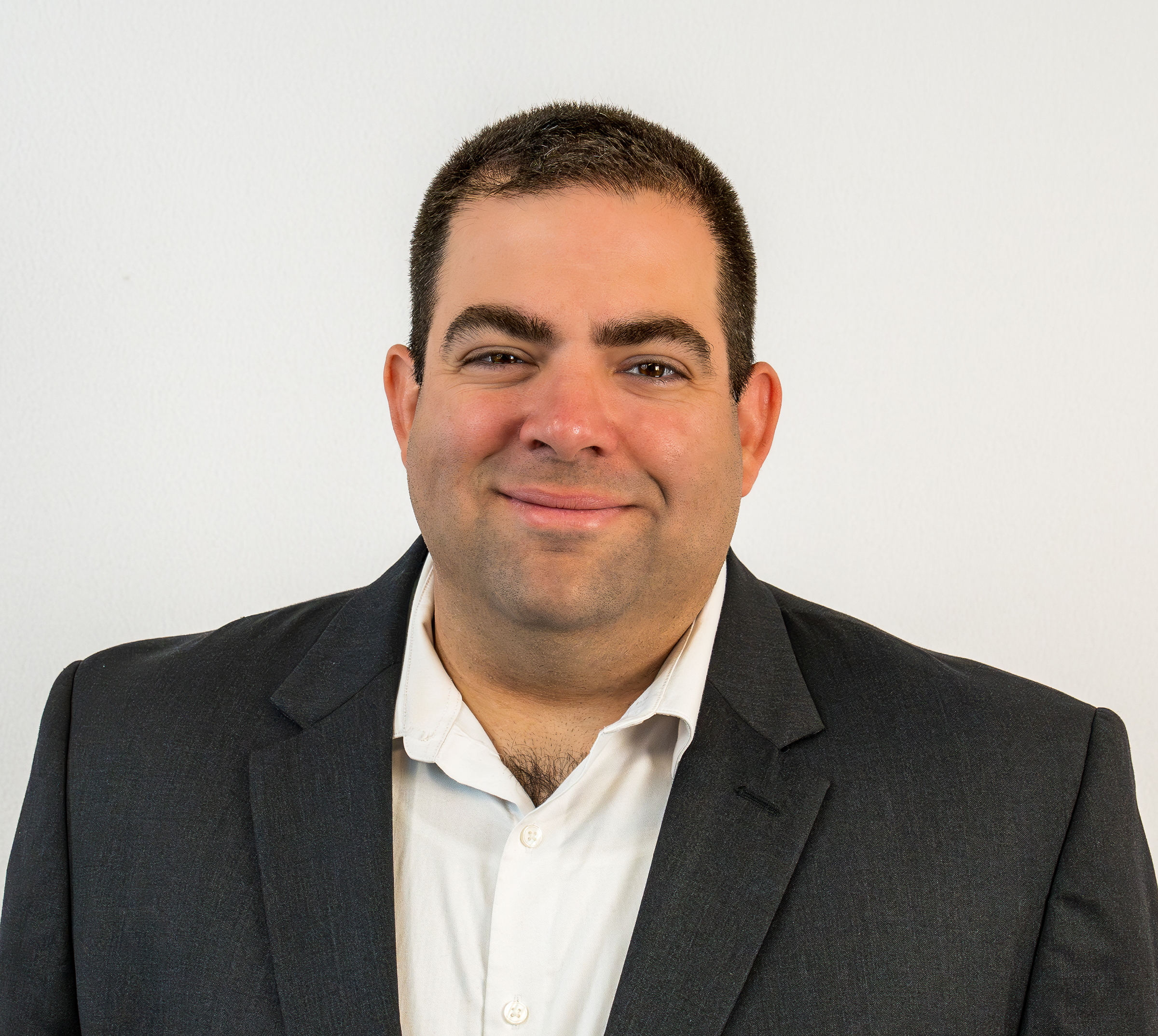
Mike Ponting: CSO, Peak Nano
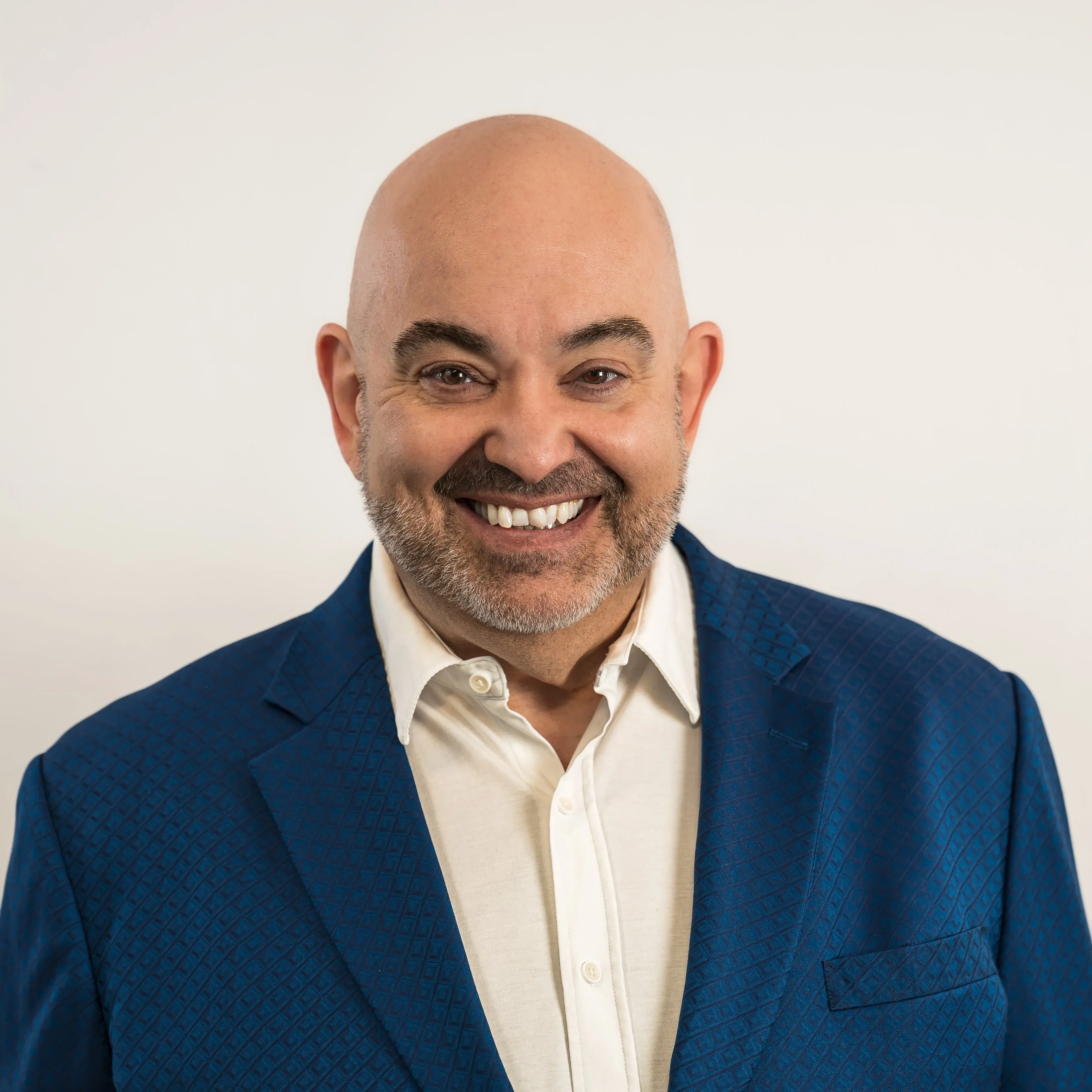
Shaun Walsh: CMO, Peak Nano
Date: Coming Soon!
For decades, advancing polymer film performance has meant one thing: waiting for new chemistry. A new resin that can take 10 years to move from lab to commercial availability. Or you blend polymers, but then you're limited by "The Rule of Mixtures," which causes property dilution. So, how do you create a new film solution to meet your application needs?
The answer is nanolayering. Dr. Michael Ponting will explain the science of nanolayer coextrusion and confinement, the mechanism by which polymer layers confined below ~250 nanometers develop emergent properties that exceed the rule of mixtures.
Learn how Peak has created hundreds of new films using the same commercial polymers already on the shelf to create real-world shipping products that are already proven, cost-effective, and combine to create solutions greater than the sum of their polymer parts.
In this session, we introduce Peak Nano's Films-as-a-Service (FaaS) design services program. A structured, collaborative development program that delivers production-ready nanolayered film prototypes in 6-10 weeks, without waiting for new polymer chemistry.
Whether you design dielectric films, develop medical packaging, or engineer biodegradable solutions, this webinar will show you how to move from concept to validated prototype in months, not years, using polymers you already know, on equipment that already exists.
Key Takeaways:
- Why blends and traditional multilayers hit a performance ceiling. The rule of mixtures, property dilution, and the series model explained in practical terms.
- How nanolayering changes the physics. The science of polymer confinement including confined crystallization, role of interphase & interface, and various additional structure property phenomena under the 250 nm threshold, and property enhancements across barrier, dielectric, mechanical, thermal, and adhesion domains.
- What the Films-as-a-Service program delivers. The four-phase workflow from requirements to technical transfer, with real timelines and cost context.
- How to start a project. What to bring to a discovery call, what to expect in 6-10 weeks, and how technical transfer works for scale-up.